Target, gene symbol, antigen
Search
Search

Clicking the images or links will redirect you to a website hosted by BenchSci that provides third-party scientific content. Neither the content nor the BenchSci technology and processes for selection have been evaluated by us; we are providing them as-is and without warranty of any kind, including for use or application of the Thermo Fisher Scientific products presented.
图: 1 / 83
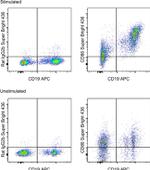
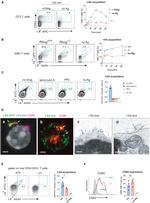
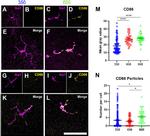
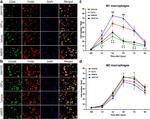
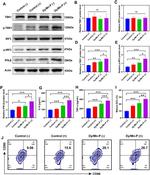
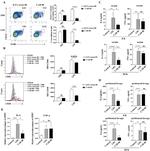
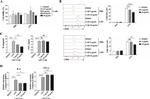
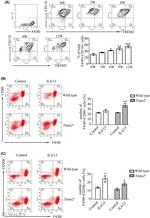
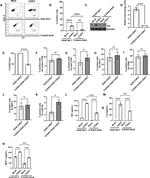
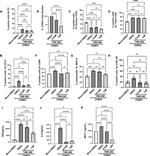
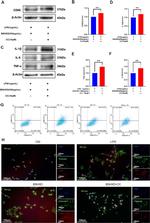
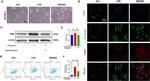
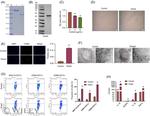
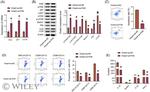
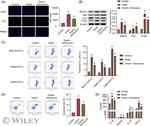
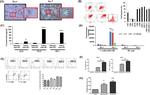
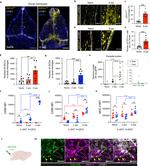
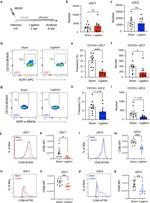
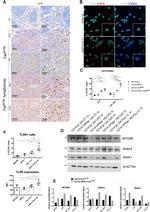
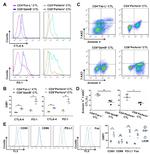
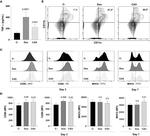
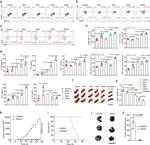
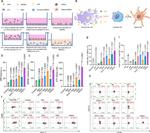
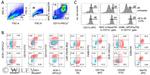
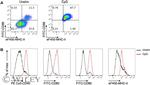
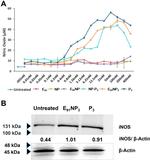
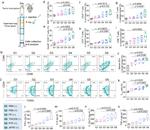
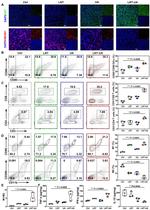
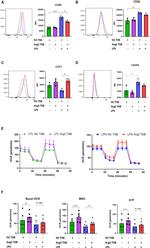
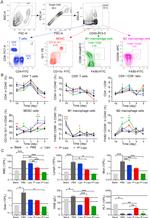
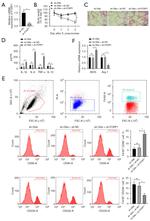
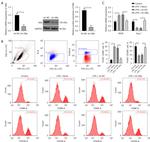
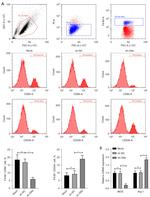
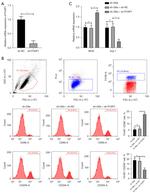
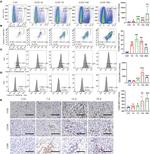
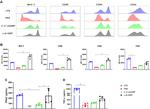
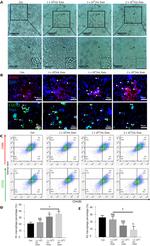
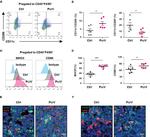
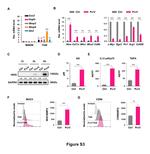
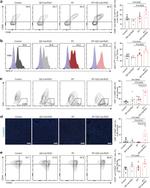
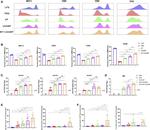
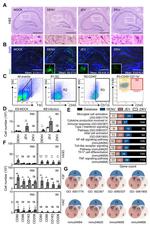
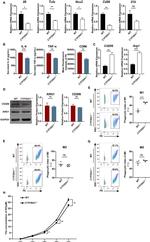
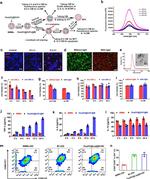
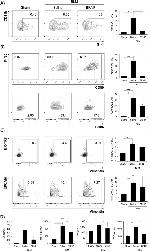
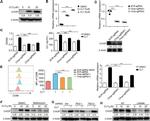
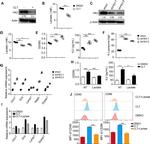
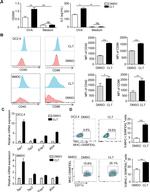
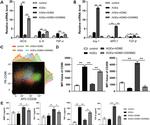
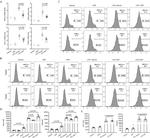
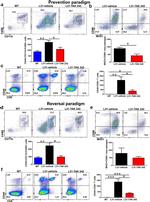
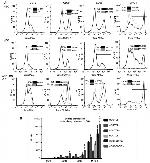
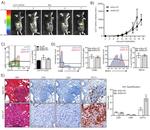
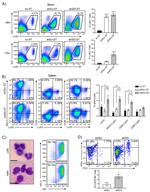
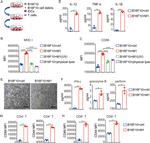
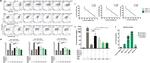
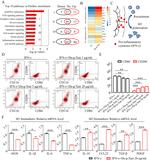
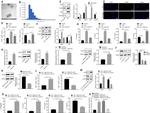
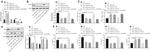
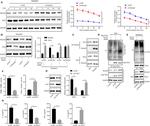
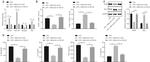
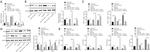
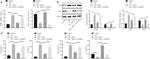
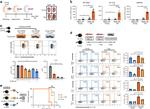
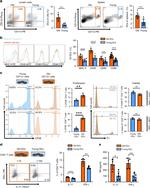
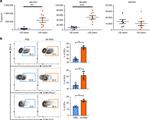
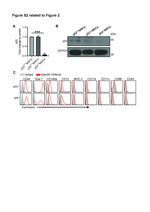
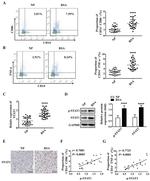
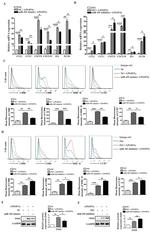
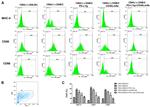
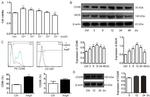
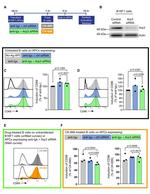
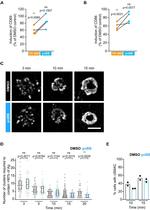
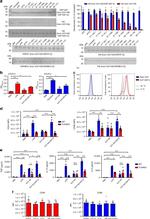
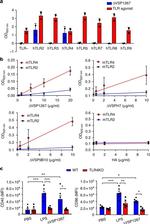
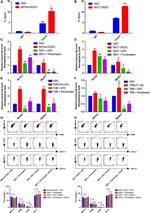
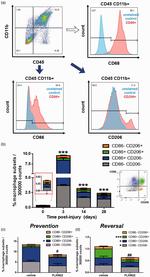
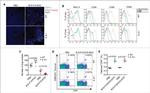
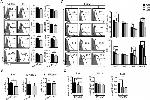


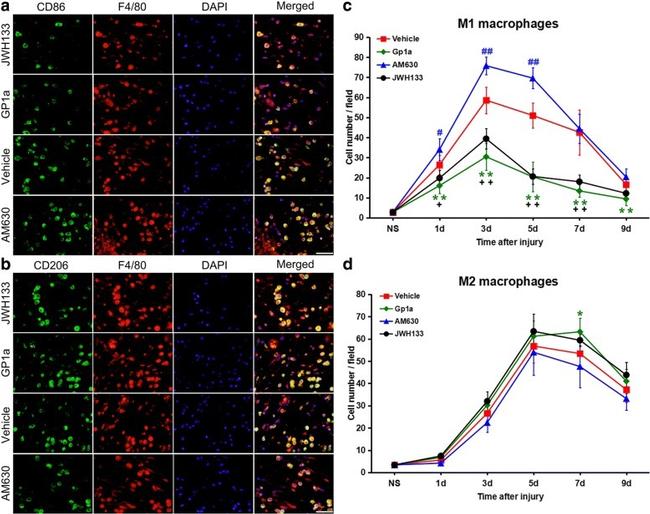


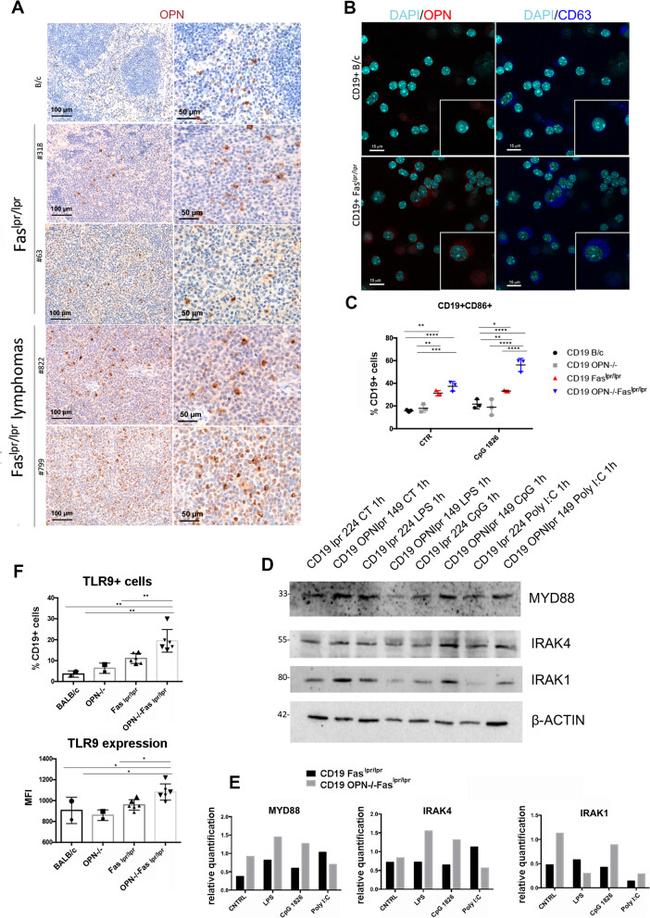
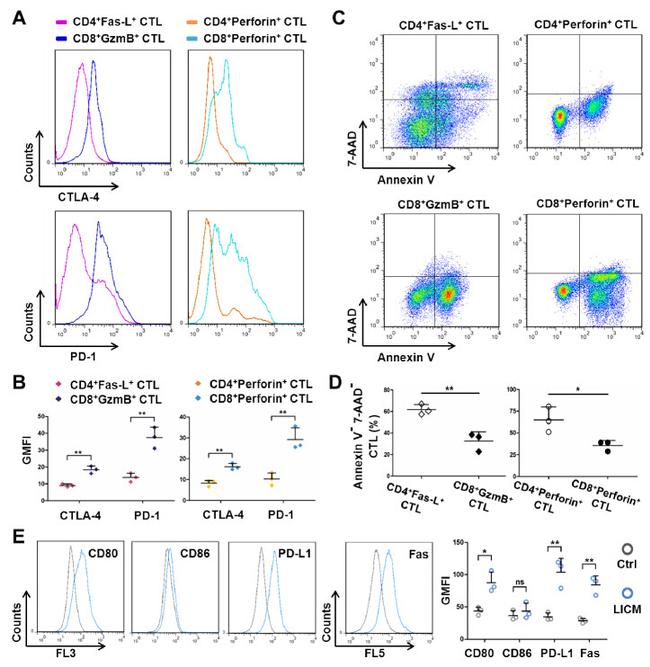



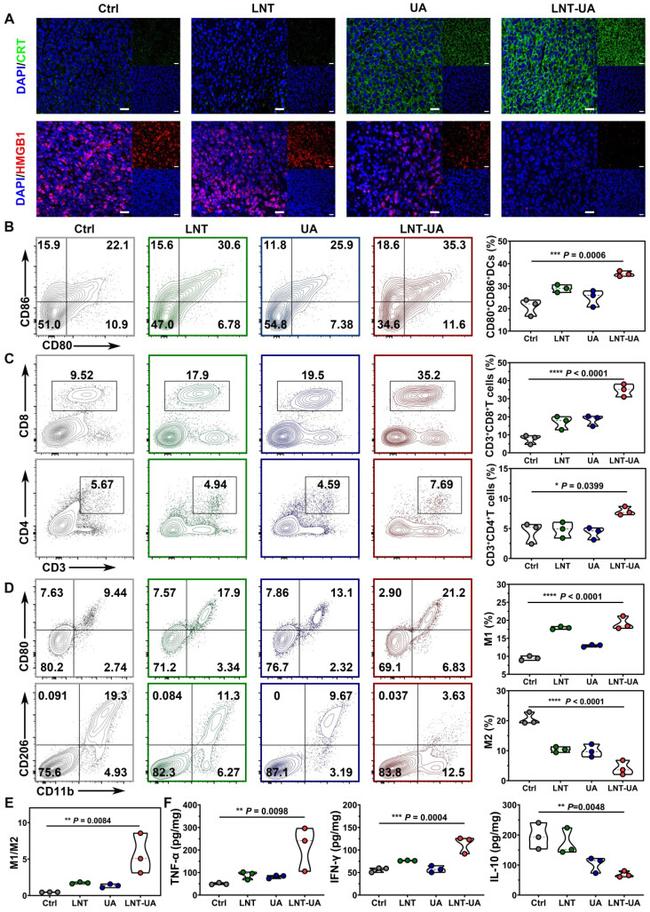







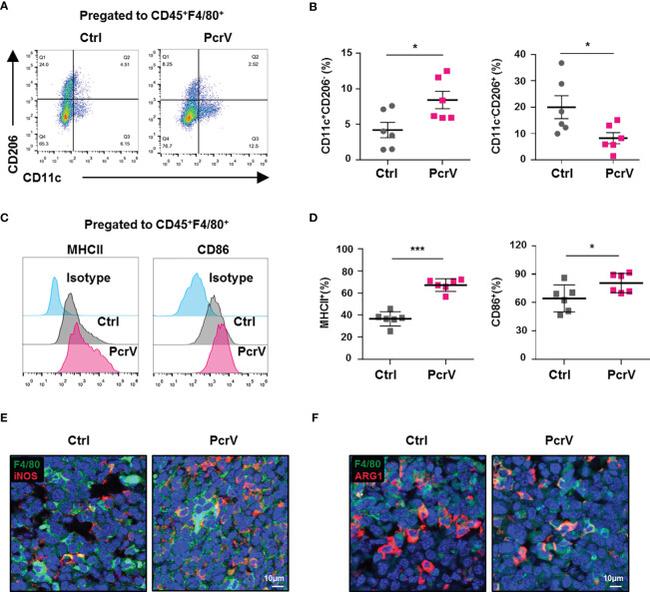
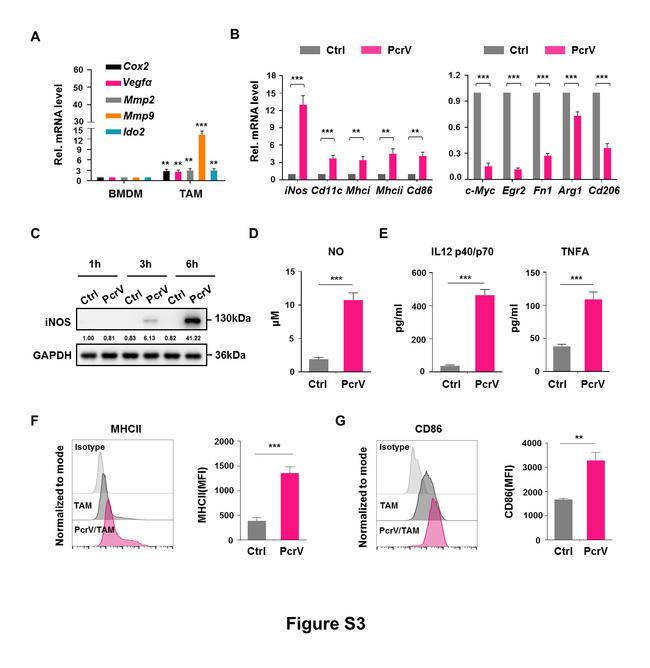


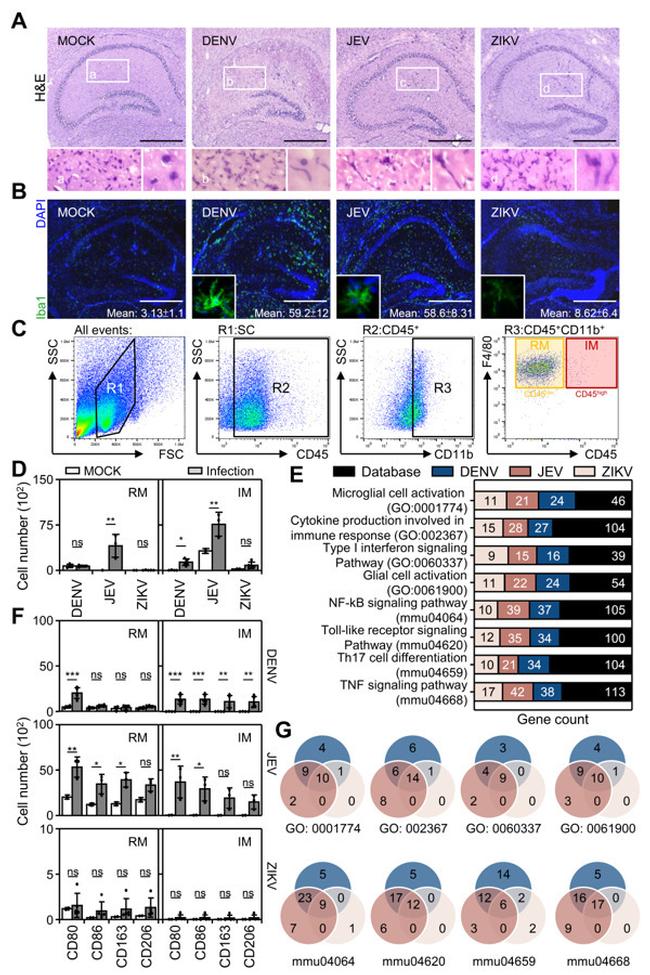
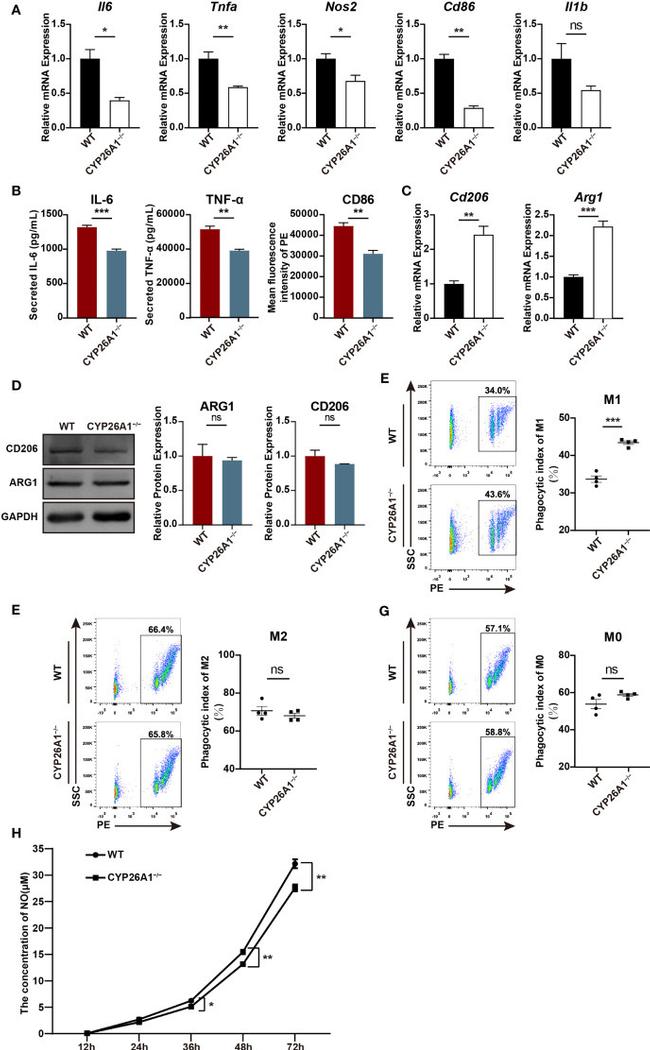


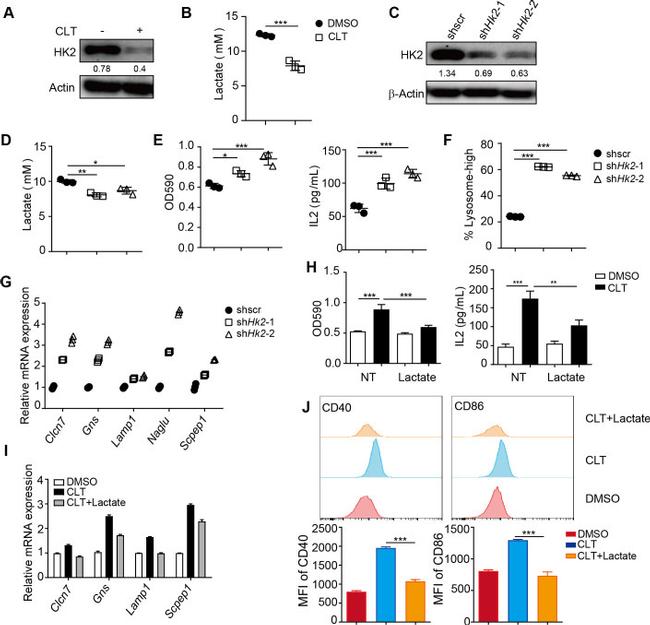

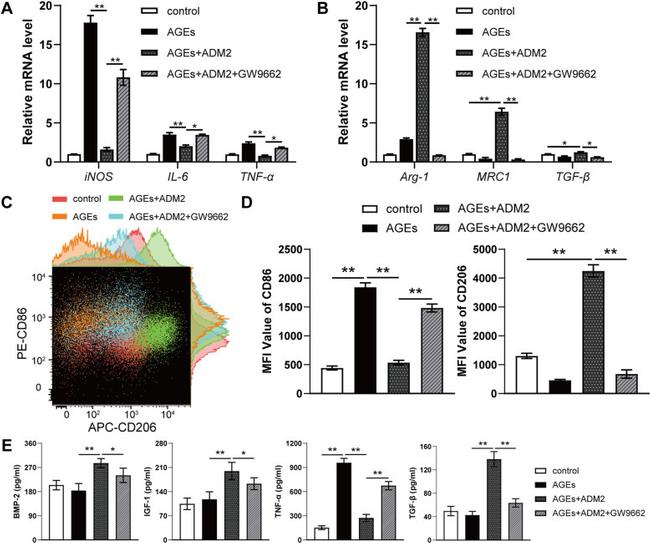


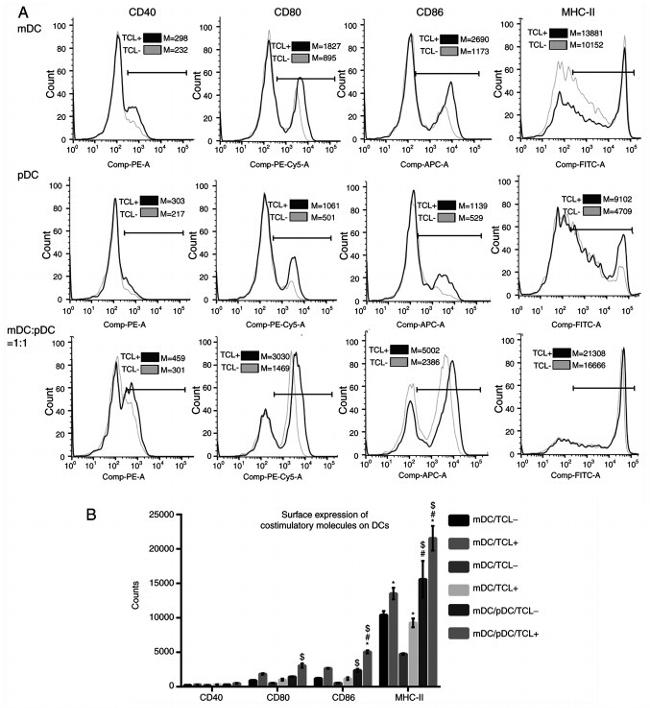

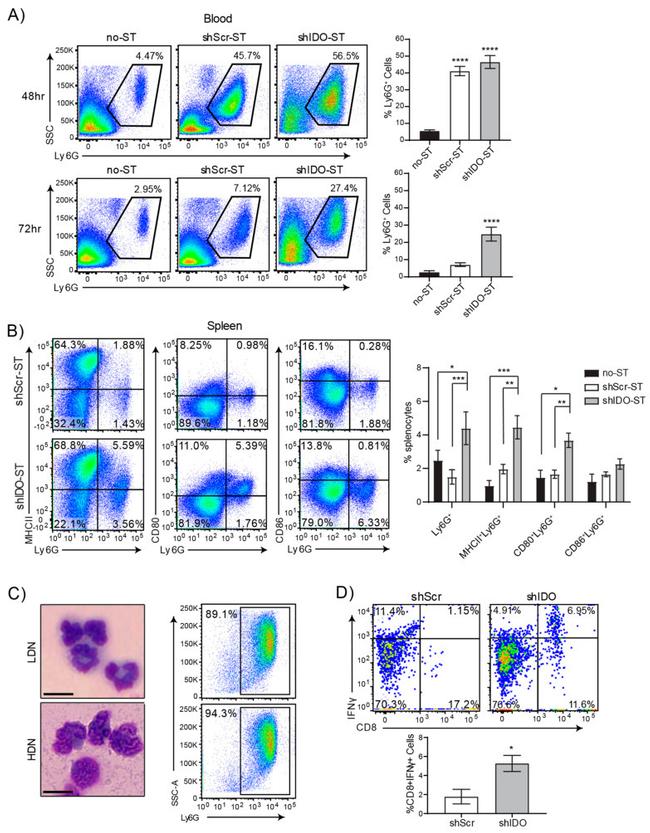
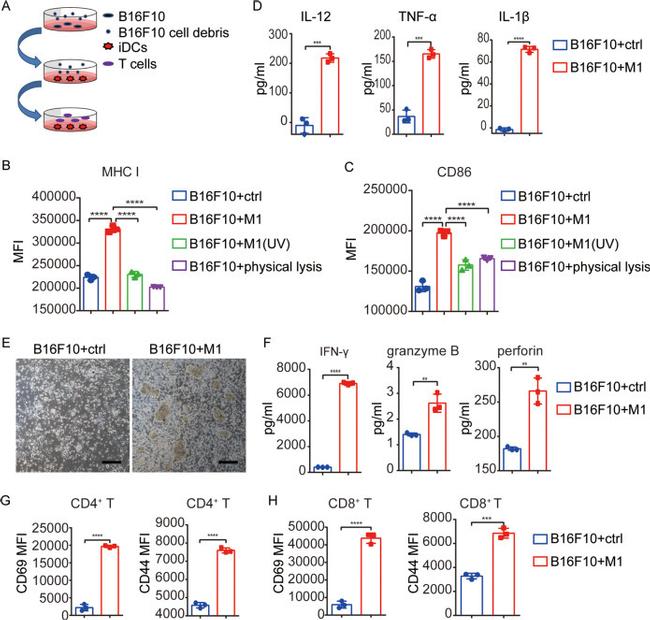

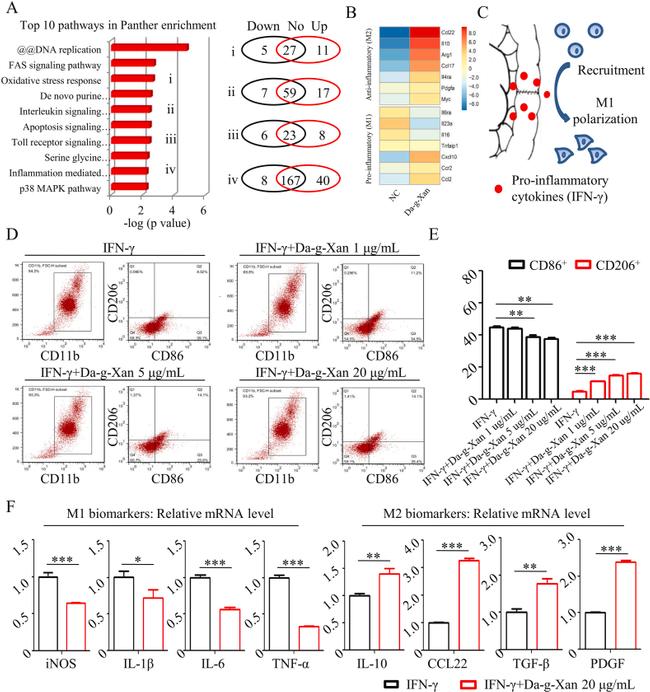


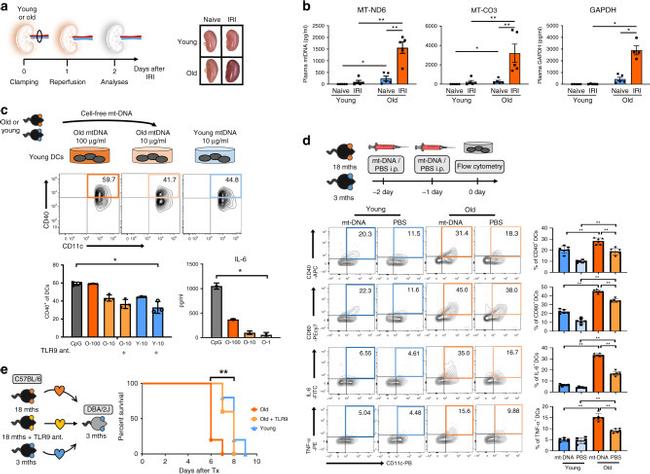
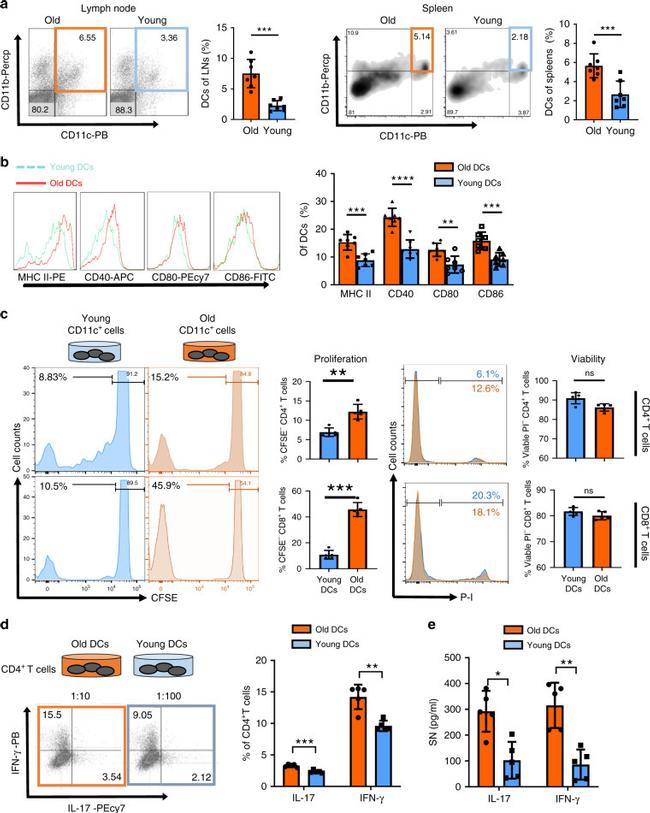

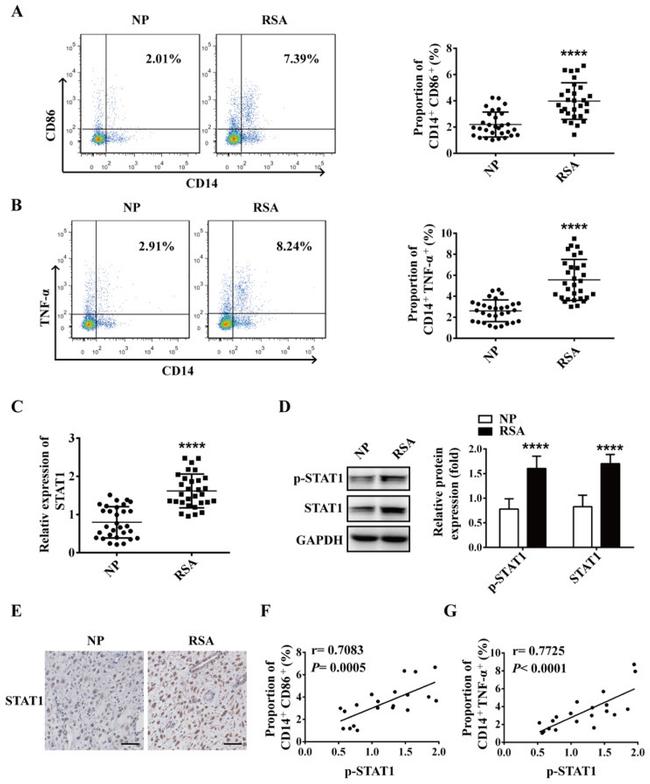
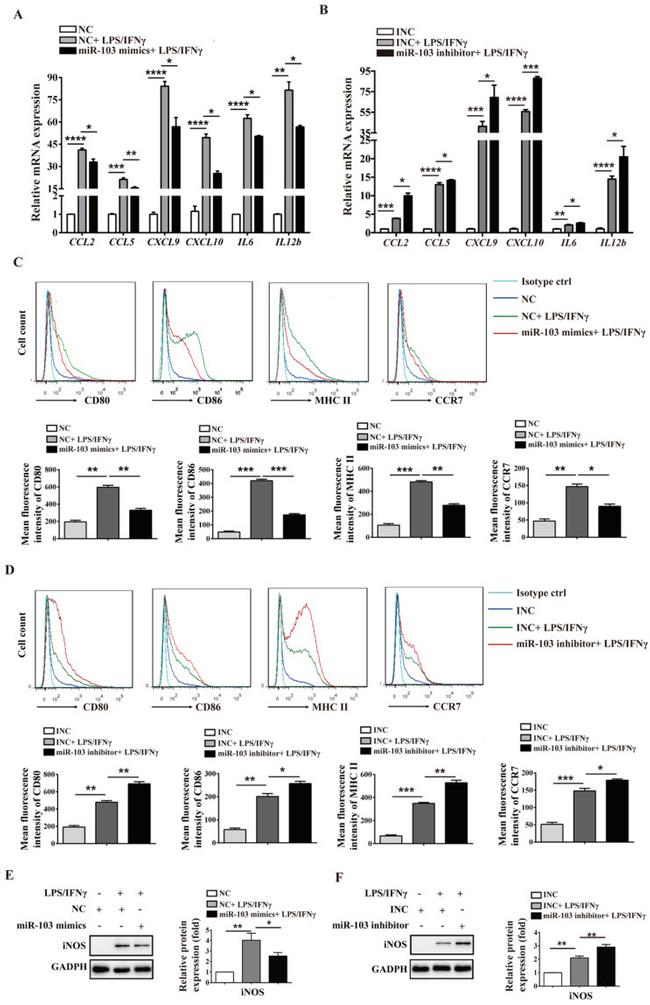

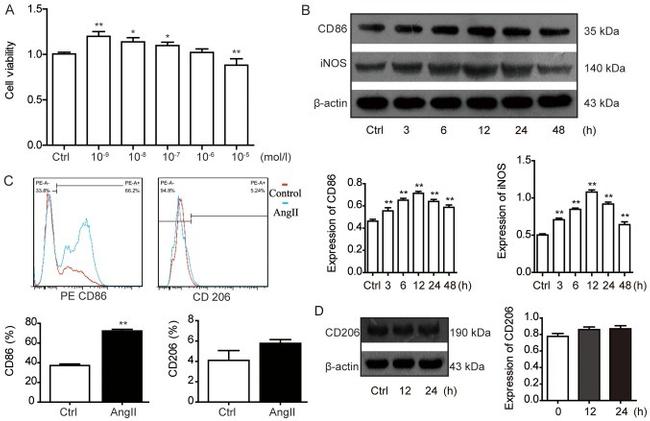


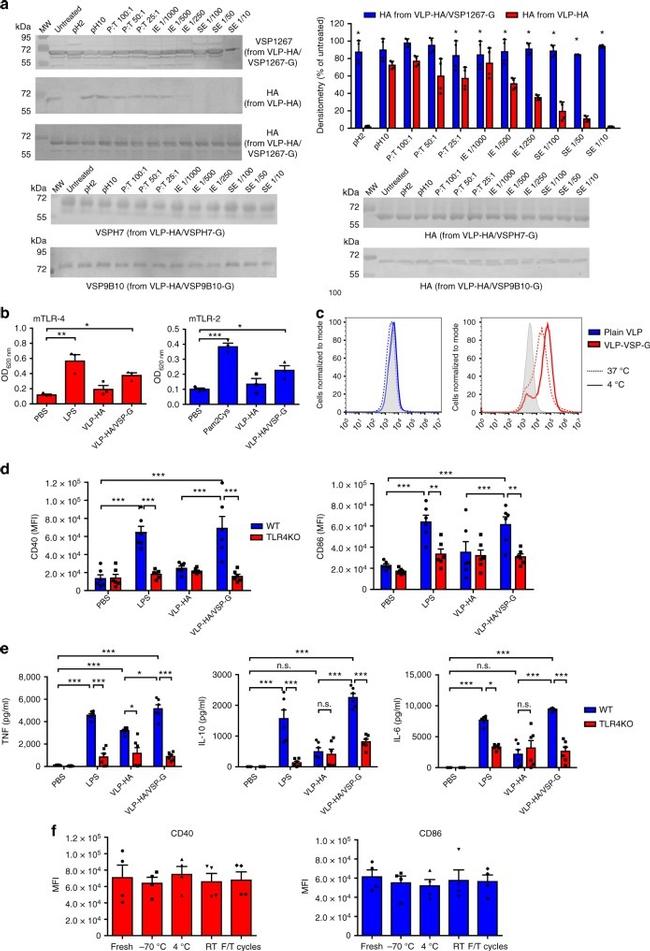
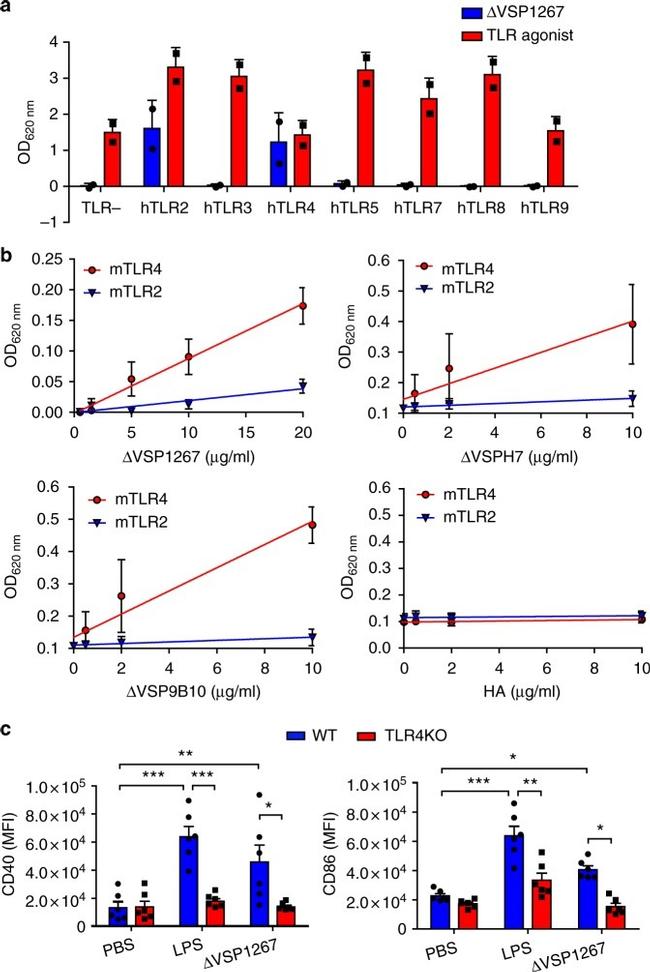


Description: The GL1 monoclonal antibody reacts with mouse CD86, an approximately 80 kDa surface receptor also known as B7-2. CD86 and CD80 are members of the B7 family of costimulatory molecules. CD86 is expressed at low level on B cells, macrophages, and dendritic cells and is upregulated on B cells through a variety of surface stimuli including the BCR complex, CD40 and some cytokine receptors. CD86 is also expressed by activated mouse T cells and thioglycolate-elicited peritoneal cells. In addition to CD80 (B7-1), CD86 is a counter-receptor for the T cell surface molecules CD28 and CD152 (CTLA-4). This interaction plays a critical role in T-B crosstalk, T cell costimulation, autoantibody production and Th2-mediated Ig production. The kinetics of upregulation of CD86 upon stimulation, supports its major contribution during the primary phase of an immune response.
Applications Reported: This GL1 antibody has been reported for use in flow cytometric analysis.
Applications Tested: This GL1 antibody has been tested by flow cytometric analysis of stimulated mouse splenocytes. This may be used at less than or equal to 1 µg per test. A test is defined as the amount (µg) of antibody that will stain a cell sample in a final volume of 100 µL. Cell number should be determined empirically but can range from 10^5 to 10^8 cells/test. It is recommended that the antibody be carefully titrated for optimal performance in the assay of interest.
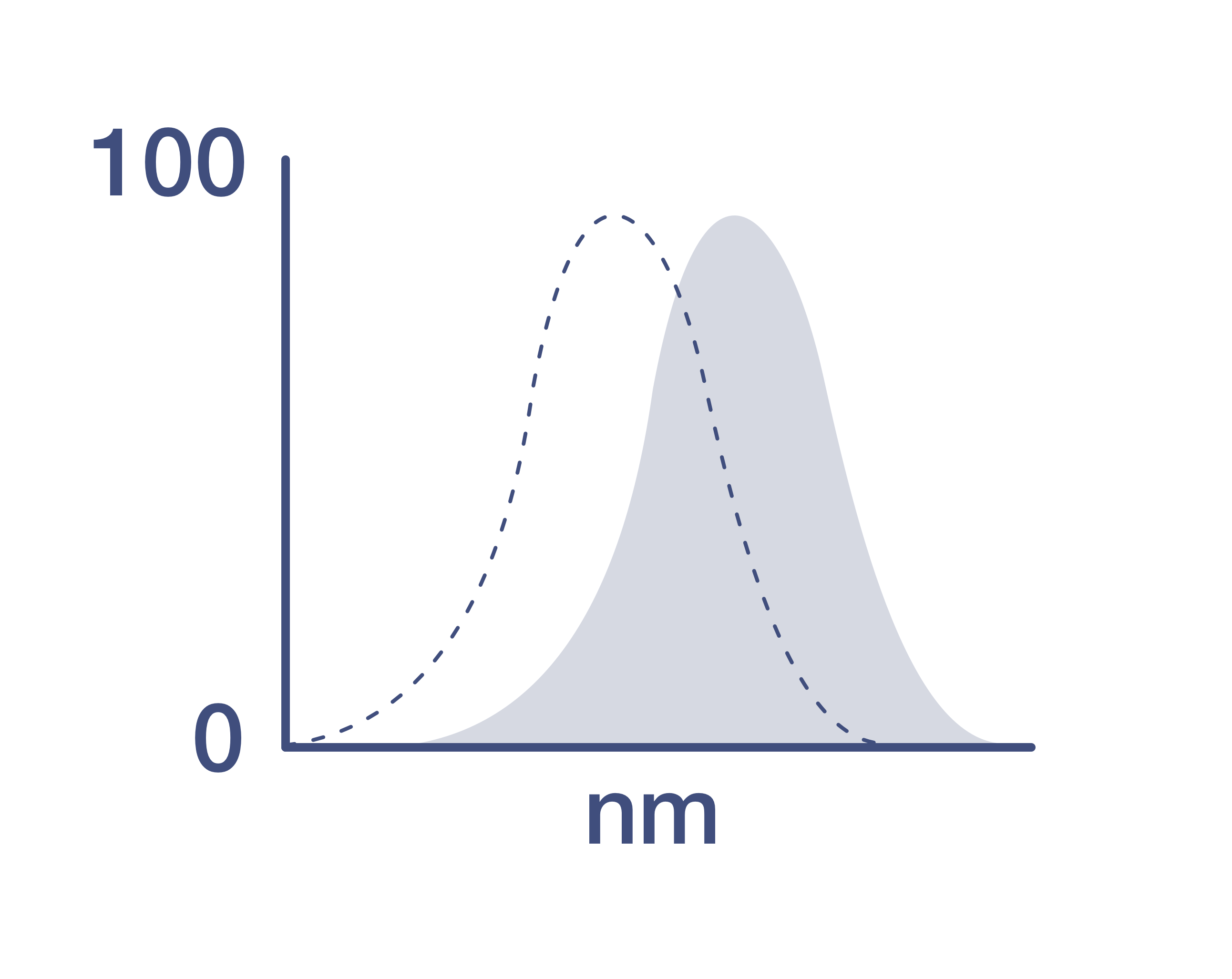
Super Bright 436 can be excited with the violet laser line (405 nm) and emits at 436 nm. We recommend using a 450/50 bandpass filter, or equivalent. Please make sure that your instrument is capable of detecting this fluorochrome.
When using two or more Super Bright dye-conjugated antibodies in a staining panel, it is recommended to use Super Bright Complete Staining Buffer (Product # SB-4401) to minimize any non-specific polymer interactions. Please refer to the datasheet for Super Bright Staining Buffer for more information.
Excitation: 405 nm; Emission: 436 nm; Laser: Violet Laser
Super Bright Polymer Dyes are sold under license from Becton, Dickinson and Company.
CD86, along with CD80, is a member of the B7 family of costimulatory molecules and plays a crucial role in T cell activation and immune response regulation. CD86 is expressed at low levels on B cells, macrophages, and dendritic cells, and its expression is upregulated on B cells through various stimuli, including the BCR complex, CD40, and certain cytokine receptors. As a type I membrane protein and member of the immunoglobulin superfamily, CD86 serves as a ligand for the T cell surface proteins CD28 and CTLA-4 (CD152). The interaction between CD86 and CD28 provides a costimulatory signal essential for T cell activation during antigen presentation, while binding with CTLA-4 negatively regulates T cell activation, diminishing the immune response. This interaction is critical for T-B cell crosstalk, T cell costimulation, autoantibody production, and Th2-mediated Ig production. The kinetics of CD86 upregulation upon stimulation suggest its significant contribution during the primary phase of an immune response. CD86 and CD80 have distinct roles in T helper cell differentiation, and insufficient co-stimulation involving these molecules can induce tolerance. Alternative splicing of CD86 results in two transcript variants encoding different isoforms, with additional variants described but not fully sequenced. Dysfunction in CD86 is associated with diseases such as gallbladder squamous cell carcinoma and myocarditis.
仅用于科研。不用于诊断过程。未经明确授权不得转售。
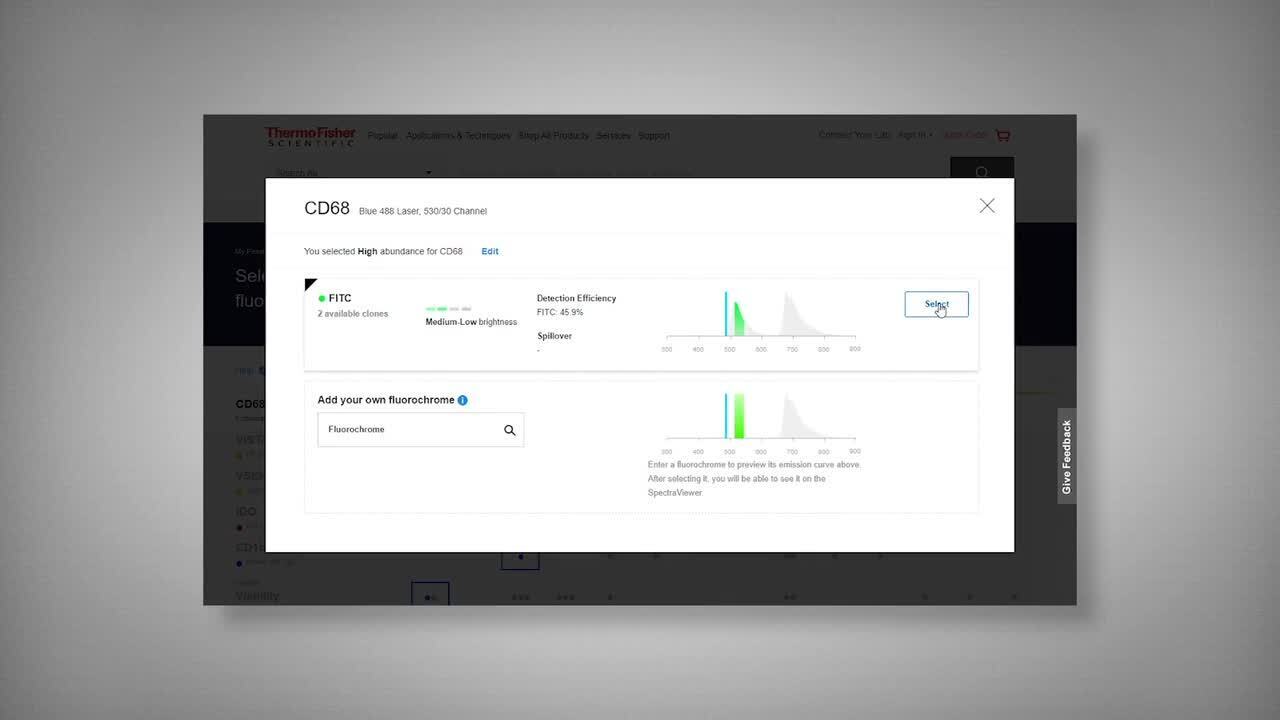
Watch the video to learn how to use the Invitrogen Flow Cytometry Panel Builder to build your next flow cytometry panel in 5 easy steps.
蛋白别名: Activation B7-2 antigen; B lymphocyte activation antigen B72; CD28 antigen ligand 2; CD86; early T cell costimulatory molecule-1; Early T-cell co-stimulatory molecule 1; Early T-cell costimulatory molecule 1; ETC-1; MGC34413; T-lymphocyte activation antigen CD86
基因别名: B7; B7-2; B7.2; B70; Cd28l2; Cd86; CLS1; ETC-1; Ly-58; Ly58; MB7; MB7-2; TS/A-2
UniProt ID: (Mouse) P42082
Entrez Gene ID: (Mouse) 12524

